
Ministry often goes beyond the church building. Whether it’s buying supplies for an outreach event, traveling for a conference, or grabbing coffee with a new visitor, pastors and church staff often cover ministry-related expenses out of their own pocket.
But how those expenses are reimbursed matters … a lot.
If your church doesn’t have a formal Accountable Reimbursement Plan, those reimbursements could be considered taxable income by the IRS. That means your staff could owe extra taxes, and your church could risk noncompliance.
The good news? Setting up and maintaining a compliant plan isn’t hard, it just takes a little intentionality.
In this post, we’ll walk you through:
- What is an accountable reimbursement plan?
- Why does this matter for churches?
- What should be included?
- How to create and maintain a compliant policy
What Is an Accountable Reimbursement Plan?
An accountable reimbursement plan is a written policy that allows churches to reimburse employees for legitimate ministry-related expenses, without those reimbursements being counted as taxable income.
According to the IRS, to be considered “accountable,” the plan must meet three basic requirements:
- Business Connection: The expense must have a direct connection to the church’s ministry.
- Substantiation: The employee must provide documentation (like receipts or mileage logs) within a reasonable period, typically 60 days.
- Return of Excess: If more money is advanced than was spent, the excess must be returned, usually within 120 days.
IRS Publication 463 provides the full criteria.
Why Does This Matter for Churches?
Churches are unique when it comes to payroll and tax reporting, but that doesn’t mean they’re off the hook when it comes to IRS compliance.
Without an accountable plan:
- Reimbursements may be treated as taxable income.
- Pastors may lose the ability to deduct unreimbursed expenses (especially after the 2017 Tax Cuts and Jobs Act).
- The church risks jeopardizing its tax-exempt status if it provides what’s considered an “excess benefit” to employees.
Bottom line: A properly structured plan protects both the church and its staff while ensuring resources are stewarded well.
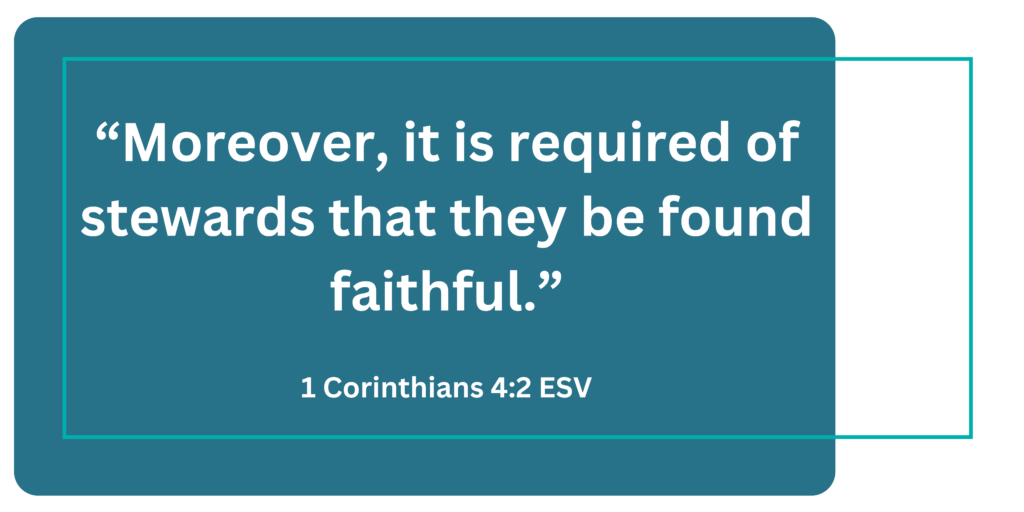
“Moreover, it is required of stewards that they be found faithful.” 1 Corinthians 4:2 ESV
Church, Law, & Tax has a great article about this.
What Should Be Included in a Church’s Accountable Reimbursement Plan?
Here are the key components your church’s plan should include:
1. Covered Expenses
Clearly define what qualifies for reimbursement. Common examples include:
- Mileage for ministry-related travel
- Meals during church business meetings
- Conference fees
- Books and resources used for sermons or teaching
- Cell phone use (if used for church purposes)
2. Documentation Requirements
Staff must submit:
- Receipts
- Mileage logs (with date, purpose, and miles driven)
- Notes explaining the ministry purpose of the expense
3. Deadlines for Submission
The IRS generally allows:
- 60 days to submit expenses after they’re incurred
- 120 days to return any excess reimbursement (if a cash advance was given)
4. Approval Process
To avoid conflicts of interest, set up a review process:
- Staff submit to their supervisor or church administrator
- The pastor may submit to the treasurer or a designated board member
My recommendation: Include this plan in your employee handbook or financial policies.
Best Practices for Maintaining Compliance
- Keep it in writing – Verbal agreements won’t hold up in an audit.
- Train your team – Make sure staff know what’s reimbursable and how to submit expenses.
- Use accounting software – Track reimbursements clearly and tie them to your accounting system.
- Review annually – As your church grows, your plan may need to adjust.
Final Thoughts: Serve Your Staff. Protect Your Church.
Creating an accountable expense reimbursement plan is one of the simplest ways to honor your team and protect your ministry’s financial integrity.
It ensures your pastors and staff aren’t burdened with extra taxes, and that your church is operating in good standing with the IRS.
Need Help Reviewing or Writing Your Church’s Expense Reimbursement Policy?
Contact me here and let’s make sure your church is equipped to reimburse staff the right way.